Reviewing the Cartoon Character of Sun for Embroidery
As a designer who has spent years translating digital art into thread, I have learned that not every cute graphic translates well to fabric. When I first encountered the Cartoon Character of Sun, my initial reaction was one of cautious optimism. The retro cartoon style is undeniably charming, evoking a sense of nostalgia that performs exceptionally well in today’s market. However, charm alone does not make a viable machine embroidery design. I needed to know if this asset could withstand the mechanical realities of stitching while maintaining its visual integrity.
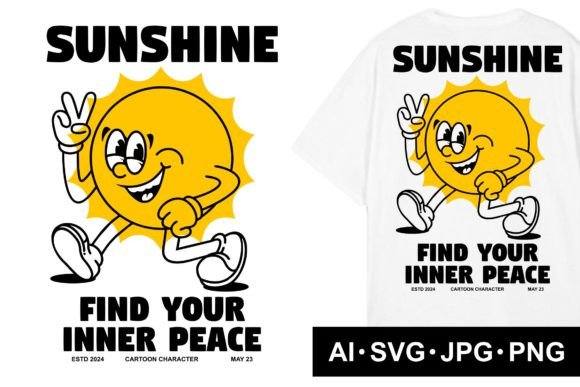
The product description notes that downloading this image provides SVG and AI files with full-color workspaces at 300dpi resolution. It is described as a funny cartoon character of a plant, suitable for stickers, posters, and prints. This discrepancy between the title "Sun" and the description "plant" suggests a whimsical, perhaps anthropomorphic hybrid design. For an embroidery professional, this ambiguity requires careful inspection before committing to a hoop. Let us dive into how this graphic holds up when moved from a screen to a finished product.
First Impressions and Visual Personality
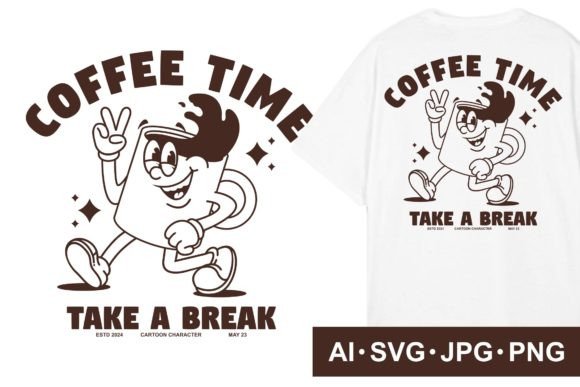
The mood created by the Cartoon Character of Sun is lighthearted and approachable. In the context of T-Shirt Designs and general Graphics, retro styles are currently dominating trends. The bold lines and simplified shapes typical of this aesthetic are generally friendly to embroidery because they reduce the need for excessive micro-detailing. When I visualize this design stitched out, I see potential for strong visual impact. The personality of the character feels warm, making it an ideal candidate for products intended to bring joy, such as children’s items or cheerful home decor.
However, the transition from vector to thread is where many designs fail. A 300dpi resolution is excellent for printing, but embroidery relies on stitch paths, not pixels. If the original file is purely a raster image or a complex vector without simplified layers, converting it into a usable embroidery file will require significant digitizing work. The "full color workspace" mentioned implies a vibrant palette. In embroidery, managing too many thread colors can increase production time and cost. I recommend limiting the palette to three or four core colors to maintain clarity and keep the stitch density manageable.
Real-World Application: The Tote Bag Test
To evaluate practical utility, I imagined applying this design to a custom canvas tote bag. This is a staple item for Etsy sellers and craft business owners. The flat, sturdy surface of a tote bag is forgiving for larger designs. The Cartoon Character of Sun would likely sit well in the center of the bag, acting as a focal point. Because the style is retro, it pairs beautifully with natural cotton or linen fabrics, enhancing the handmade aesthetic.
In this scenario, the design functions as more than just decoration; it becomes a brand statement. For a small shop product, consistency is key. If your brand leans toward whimsical, eco-friendly, or nostalgic themes, this graphic aligns perfectly. Customers reacting to such a design often perceive it as high-effort and unique, especially if the stitching is clean. The visual appeal here drives buyer engagement, turning a simple bag into a personalized gift or a statement piece for daily use.
Navigating Fabric and Hoop Constraints
While the design shines on flat surfaces, caution is required when moving to challenging materials. For instance, using this on a curved surface like a cap requires careful consideration of hoop size and distortion. If the character has wide elements, they may warp when stitched on a curved brim. Similarly, textured fabrics like terry cloth towels can swallow fine details. If the Cartoon Character of Sun relies on thin outlines or small facial features, these might get lost in the pile of the fabric.
Stretchy fabrics, such as those used in sweatshirt embroidery or baby embroidery items, present another hurdle. Without proper stabilization, the design can pucker or distort after washing. I always advise using a cut-away stabilizer for garments that will undergo frequent laundering. Additionally, dark fabrics require thoughtful planning. If the design includes light colors, you must ensure adequate underlay stitching to prevent the fabric color from showing through. Testing the design in black and white mockups can help you identify contrast issues before you thread the machine.
Stitching Strategy and Technical Notes
From a technical standpoint, the success of this project depends on how the digital art is converted into stitch types. Large areas of color should utilize fill stitch patterns, but care must be taken to avoid excessive density, which can make the fabric stiff and heavy. Outlines and finer details benefit from satin stitch or running stitch, depending on the width. If the design is intended to be an applique design, where fabric pieces are stitched down, it could significantly reduce stitch count and production time, making it more viable for commercial runs.
Before launching this as a commercial embroidery product, you must verify the licensing terms. The description mentions it can be used for stickers and prints, but rights for physical goods like apparel are not explicitly detailed. Always confirm whether the license covers finished items for sale. Furthermore, since the source files are SVG and AI, you will need digitizing software to create the actual embroidery file compatible with your machine. Do not assume the vector file is ready-to-stitch.
Enhancing Product Value and Brand Trust
Incorporating the Cartoon Character of Sun into your lineup can enhance perceived value if executed professionally. High-quality stitching signals craftsmanship, building customer trust. For holiday embroidery projects or boutique branding, this character adds a layer of emotional connection. It is not just a logo; it is a piece of art that resonates with the buyer’s desire for uniqueness.
For digital product sellers, offering this as part of a bundle with printable mockup examples can boost sales. Showcasing the design on various items—such as pillow covers, aprons, or nursery decor—helps customers visualize the end result. This reduces hesitation and increases conversion rates. Remember, the goal is to create a cohesive embroidery project that looks intentional and polished, not just slapped on.
Final Verdict for Makers and Designers
The Cartoon Character of Sun offers strong potential for makers willing to invest time in proper digitizing and testing. Its retro appeal fits seamlessly into current trends for custom apparel and home goods. However, success lies in the details: checking thread color contrast, selecting the right stabilizer, and respecting the limitations of different fabrics. By treating this graphic with the respect it deserves during the production phase, you can transform a simple digital asset into a best-selling handmade product. Always test on scrap fabric first, and let the quality of your stitching speak for itself.