Reviewing Cartoon Character of Coffee for Embroidery
As a designer who spends half my life digitizing and the other half stitching, I have learned that not every cute graphic translates well to thread. We often see vibrant T-Shirt Designs and digital Graphics that look perfect on a screen but turn into a tangled mess under the needle. Today, I am taking a close, practical look at the Cartoon Character of Coffee. This isn’t just about whether it is adorable—though it certainly is—but whether it holds up in the real world of hoop tension, bobbin threads, and customer expectations.
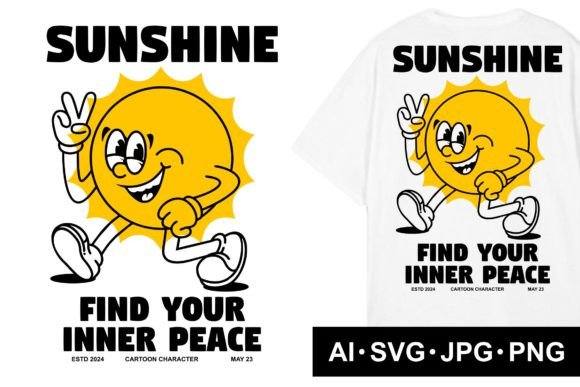
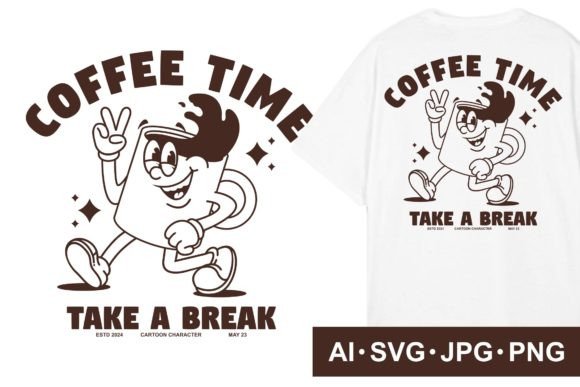
The first thing that strikes me about this design is its retro cartoon style. It has a playful, nostalgic energy that feels right at home in the current market trend of cozy, whimsical decor. The description notes it is a funny cartoon character of a plant, which suggests a personified, lively subject. For an embroidery project, personality is half the battle. If the design doesn’t have character, the stitching often feels flat. Here, the visual personality is strong, which gives us a solid foundation to work with.
Real-World Application: The Tote Bag Test
To truly evaluate a design, you have to imagine it on a product. Let’s say I am preparing a custom order for a local coffee shop owner who wants branded merchandise. She asks for a tote bag design that appeals to students and young professionals. The Cartoon Character of Coffee fits this brief perfectly. Because the style is retro and vector-based, it scales well. On a canvas tote, the bold lines of a cartoon character stand out against the textured fabric.
However, working with a design described as having "full color workspaces" requires careful planning. In embroidery, we cannot simply print pixels; we must map thread paths. If this design relies heavily on subtle gradients, as many digital illustrations do, I would need to simplify the color palette. I would likely reduce the number of thread colors to keep the production time reasonable and the cost down for the client. A six-color design is manageable; a twenty-color design is a nightmare for both the machine and the budget.
Stitching Clarity and Detail Management
The product description mentions that downloading this image provides SVG and AI files with 300dpi resolution. This is excellent for printing posters or stickers, but for embroidery, we need to talk about digitization. If you are using this as a reference to create your own machine embroidery design, the vector nature of the source file is a huge advantage. Clean lines in Illustrator or Inkscape translate much better into stitch data than pixelated JPEGs.
When evaluating the detail level, I look for potential trouble spots. Tiny details in cartoon eyes or small leaves on the plant character can easily get lost if the stitch density is too high or if the hoop size is too small. For a standard 4x4 inch hoop, I would ensure the design is scaled so that no single element is smaller than a quarter-inch. Anything smaller risks puckering or breaking threads. If you are buying this as a pre-digitized embroidery file, check the preview closely. Are the small details rendered with satin stitches or fill stitches? Satin stitches provide a shiny, smooth finish ideal for outlines, while fill stitches are better for larger areas like the body of the coffee cup or plant leaves.
Fabric Considerations and Stabilizer Choice
One of the most critical aspects of using any new design is understanding how it interacts with fabric texture. This Cartoon Character of Coffee would look fantastic on a thick cotton sweatshirt. The sweatshirt embroidery market is booming, and retro cartoons are a staple there. However, sweatshirts are stretchy and thick. You must use a cut-away stabilizer to prevent the design from distorting after washing. If you try to stitch this on a thin, stretchy jersey without proper support, the running stitch outlines might pull and warp the fabric.
Conversely, if you are aiming for a delicate baby embroidery item, such as a onesie, you need to be cautious. Retro styles can sometimes feel a bit busy for infant wear. I would recommend simplifying the design further, perhaps removing some of the background elements if present, to keep it soft and unobtrusive. Always test on scrap fabric first. I cannot stress this enough. What looks good on your monitor might look dense and stiff on actual cloth.
Commercial Viability for Etsy Sellers
For Etsy sellers and owners of small craft businesses, this design offers versatility. It can be used for more than just apparel. Imagine it as an embroidered patch applied to a denim jacket or a backpack. Patches are a great way to utilize complex designs because you can stitch them on stable twill fabric before applying them to the final garment. This avoids the hassle of hooping difficult items like caps or curved surfaces.
If you are creating a personalized gift, such as a holiday mug rug or a kitchen towel, consider the washability. Coffee-themed items are prone to stains and frequent washing. Ensure that your thread choices are colorfast and that your tie-offs are secure. A loose thread in a finished product can lead to a unhappy customer and a return request. Professionalism in embroidery is not just about the look; it is about durability.
Design Assets and Licensing Checks
Before you list this as a small shop product or include it in your design assets library, you must verify the licensing. The description states it can be used for stickers, posters, and prints, but does it explicitly allow for commercial embroidery sales? Many digital files have different terms for physical goods versus digital resale. If you are creating a printable mockup for your store, ensure you have the rights to display the design. If you are selling the digital embroidery file itself, you definitely need to confirm if redistribution is allowed. Most designers prohibit reselling the file, but allow selling the stitched item. Clarify this before you invest time in digitizing or marketing.
Also, consider the color contrast. A retro cartoon often uses muted or specific palettes. Test the design in black and white mockups to see if the shapes remain distinct. If the design relies solely on color to define its form, it may not read well on dark fabrics. You might need to add a white underlay or adjust the thread shades to ensure the Cartoon Character of Coffee pops against navy or black garments.
Final Verdict on Practical Use
In summary, the Cartoon Character of Coffee is a charming asset with high potential for commercial embroidery and custom apparel. Its retro vibe aligns well with current consumer tastes. However, success depends on execution. Pay attention to stitch density, choose the right stabilizer for your fabric, and verify your licensing terms. Whether you are making a holiday embroidery gift for a friend or stocking your boutique with unique handmade products, this design can be a winner if treated with technical respect. Do not rush the digitization or the setup. Take the time to test, adjust, and refine. That is the difference between a hobbyist attempt and a professional embroidery project that builds brand trust and customer loyalty.