Reviewing America 4th of July for Real Embroidery Projects
As a designer who spends most days staring at screens and threading needles, I approach every new design asset with a mix of excitement and skepticism. When I first opened the America 4th of July file, my immediate thought wasn't about how it would look on a website mockup, but how it would translate into thread. The product description highlights its versatility for T-shirts, banners, and mugs, noting that you receive one high-resolution PNG file sized at 4500×5400 pixels. For us in the embroidery world, this starting point is crucial because it dictates how we prepare our machine embroidery design workflow.
First Impressions: Mood and Visual Personality
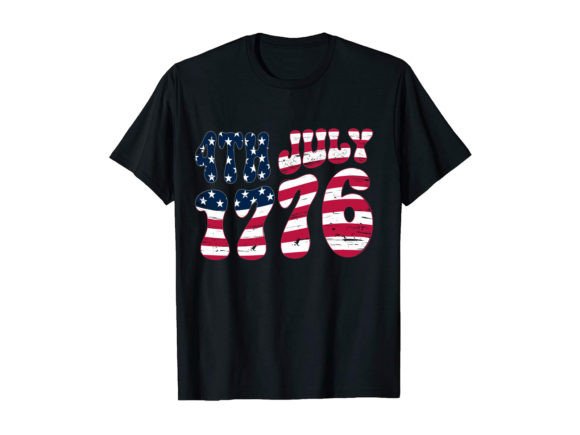
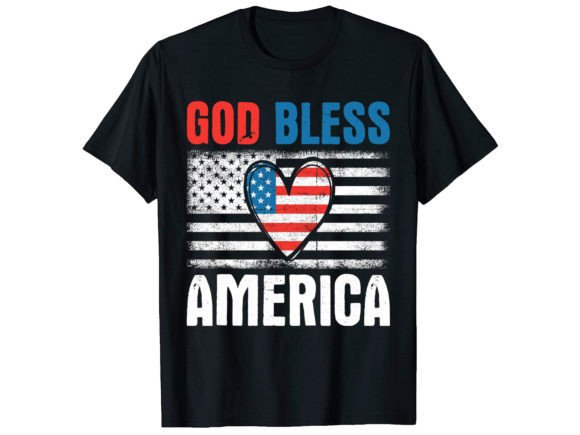
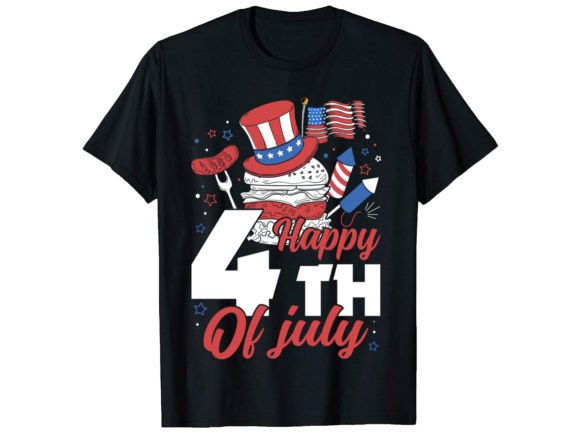
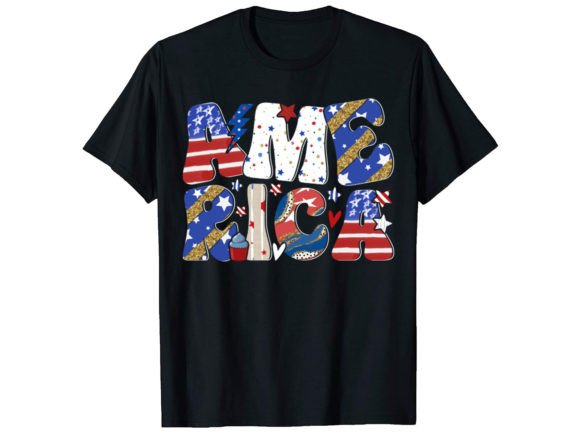
The visual personality of America 4th of July is bold and unapologetically festive. It carries that classic patriotic mood—vibrant reds, crisp whites, and deep blues that scream summer celebrations. As a graphic intended for T-Shirt Designs, the layout feels balanced, with a central focus that draws the eye immediately. However, translating a colorful graphic into an embroidery project requires a different kind of scrutiny. The shapes appear solid and defined, which is promising for stitch clarity. There are no overly intricate, hairline details that usually get lost under thread tension, suggesting this design could hold up well when digitized properly.
The theme is timeless, making it a strong candidate for more than just holiday-specific items. While it is naturally suited for holiday embroidery, the core elements are versatile enough for year-round Americana styles if paired with the right fabric choices. The graphic nature of the file means it relies heavily on color blocking, which translates beautifully into fill stitch areas in embroidery, providing a smooth, professional finish rather than a sketchy or fragmented look.
Real-World Application: From Screen to Stitch
Let's talk about a real-life scenario where this design shines. Imagine you are preparing a custom order for a local boutique that wants a line of limited-edition tote bags for the upcoming summer festival. You decide to use America 4th of July as the centerpiece. Because the original file is a high-quality PNG, you have the resolution needed to trace and digitize it into a proper embroidery file without pixelation issues.
For a canvas tote bag design, the bold colors of the graphic pop against natural or dark fabrics. If you were to apply this to a sweatshirt embroidery project, the design's substantial coverage would provide warmth and texture, making the garment feel premium. I can also see this working exceptionally well as an embroided patch. By adding a merrowed edge during the digitizing phase, this graphic becomes a standalone accessory that customers can iron onto jackets or hats, extending the life of the design beyond a single garment.
For Etsy sellers and craft business owners, the potential here is significant. This isn't just a personal hobby piece; it's a commercial asset. Whether you are creating custom apparel for a family reunion or crafting personalized gifts like aprons and kitchen towels, the recognizable theme ensures instant buyer engagement. The design's strength lies in its simplicity; it doesn't need much modification to look good, which saves time in the production phase—a critical factor for small shop products.
Navigating Fabric and Hoop Challenges
While the design is robust, there are areas where caution is necessary. Since the source file is a graphic meant for printing, converting it to stitches requires careful attention to stitch density. If you are working on thin fabric, such as a lightweight tee or a delicate baby onesie for baby embroidery, a dense fill might cause puckering. In these cases, I recommend using a cut-away stabilizer to support the weight of the thread and prevent distortion over time.
Curved surfaces present another challenge. If you plan to put this on a cap, the flat nature of the original Graphics might need adjustment. The center of the design should be slightly arched during digitizing to compensate for the curve of the hat brim. Otherwise, the text or central elements might look warped once stitched. Similarly, on stretchy fabrics, you must ensure your hoop size is appropriate to keep the material taut without stretching it out of shape permanently.
Dark fabrics offer a great contrast for the white and blue elements, but you must check your thread colors carefully. A standard red might look dull on black fabric unless you use a vibrant, high-sheen rayon or polyester thread. Always test your color palette on scrap fabric first. What looks bright on your monitor might appear muted under shop lighting or after washing.
Enhancing Value and Professionalism
Using a well-chosen design like America 4th of July directly impacts the perceived value of your finished product. Customers associate clean, crisp stitching with quality. If the design is digitized with sharp satin stitch borders and consistent fill patterns, it elevates a simple t-shirt into a boutique item. This attention to detail builds customer trust and encourages repeat business.
For those selling digital products or printable mockups, this graphic serves as an excellent base. You can create realistic previews showing how the design would look on various items, helping buyers visualize the end result. However, remember that selling the digital file itself is different from selling the physical embroidered item. Always confirm the licensing terms provided with the download. The description mentions it is for various uses, but explicit permission for resale as a digital applique design or raw embroidery file may vary.
Practical Notes for the Serious Maker
Before committing to a full production run, treat America 4th of July like any other critical component of your workflow. Here are my top recommendations for ensuring success:
- Test on Scraps: Never skip the stitch-out test. Use the same fabric and stabilizer combination you plan to use for the final item to check for registration issues.
- Check Contrast: View your digitized version in black and white to ensure the design elements distinguish themselves clearly without relying solely on color.
- Review Density: If the design feels too heavy, reduce the fill density slightly to improve drape, especially on garments like hoodies or blankets.
- Inspect Small Details: Look closely at any tiny corners or intersections. These are common failure points where threads can bunch up or break.
- Verify Licensing: Double-check the usage rights. While it is great for commercial embroidery on physical goods, ensure you aren't violating terms by redistributing the source file.
In conclusion, America 4th of July is a versatile and spirited graphic that holds immense potential for creative entrepreneurs. With thoughtful digitizing and careful material selection, it transforms from a static image into a dynamic, tactile element that enhances any handmade product. Whether you are decorating a nursery, outfitting a team, or stocking your online store, this design offers a reliable foundation for creating memorable, high-quality items.