All American Babe: A Designer's Take on Patriotic Style
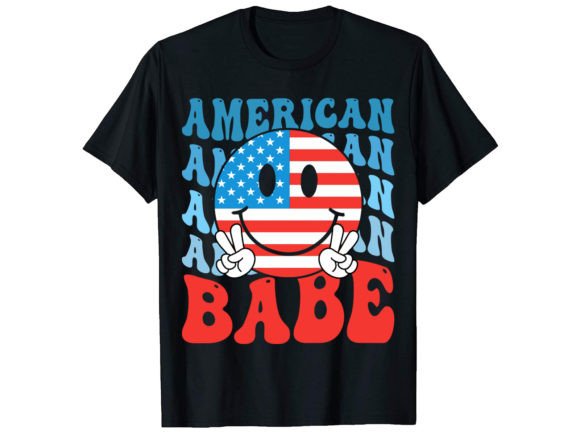
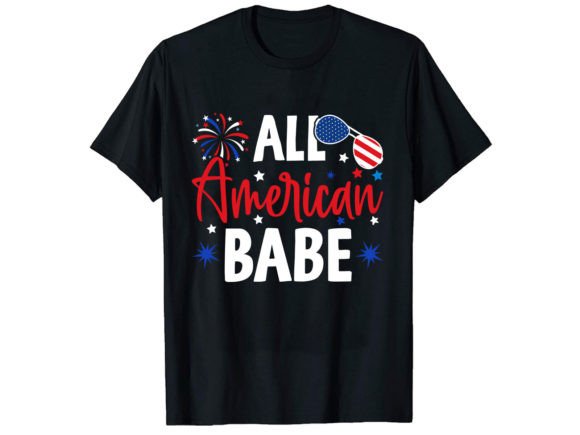
When I first pulled up the All American Babe graphic, my initial reaction wasn't just about the colors; it was about the potential application in a real-world embroidery setting. As someone who spends hours digitizing and stitching for clients, I look past the screen render to imagine how a design behaves under the needle. This particular piece, categorized under T-Shirt Designs and general Graphics, carries a bold, festive energy that screams summer holidays and boutique apparel. However, translating a colorful PNG meant for print into a tactile machine embroidery design requires a critical eye. Let's break down how this asset holds up when you move from digital mockup to actual thread on fabric.
Visual Personality and First Impressions
The mood of All American Babe is undeniably celebratory. It captures that classic 4th of July spirit with a modern, slightly edgy twist suitable for contemporary fashion. The layout suggests a central focal point, likely featuring typography mixed with iconic imagery. For an embroiderer, the "graphic" nature of the source file implies strong lines and distinct color blocks. This is generally good news for stitching, as it allows for clear separation between thread colors.
From a design judgment perspective, the visual personality here leans towards casual chic. It isn't a delicate, heirloom-style motif; it is statement art. This means it naturally belongs on products where visibility is key. Think of a oversized sweatshirt embroidery project or a structured canvas tote bag design. The boldness of the graphic ensures it won't get lost on larger garments, making it an excellent candidate for custom apparel aimed at a younger demographic or holiday-specific collections.
Real-World Application: The Boutique Scenario
Let's walk through a realistic scenario. Imagine you are preparing a limited run of merchandise for a local craft fair or updating your Etsy seller shop just before Independence Day. You decide to use All American Babe on a line of French terry crewnecks. Here is where the practical evaluation comes in. Since the original product description highlights its use for banners, posters, and mugs, we know the artwork is versatile. But for embroidery, we have to consider dimension.
If you were to adapt this graphic for an embroidered patch, the results could be stunning. Patches allow for high-density stitching which can mimic the solid fill of a printed graphic. Alternatively, applying it directly to a pillow cover or a heavy-weight apron gives the design a home-decor appeal that feels personalized and high-value. The key is matching the "vibe" of the graphic to the fabric texture. A smooth, tight-weave cotton or a stable polyester blend will honor the crisp lines of the original graphic better than a slubby linen or a highly textured fleece.
Navigating Technical Challenges in Stitching
While the aesthetic is strong, there are areas where caution is warranted. Because All American Babe is described as a "colorful Graphic," it likely contains gradients or subtle shading that do not translate easily to thread without significant digitizing work. If you are using this as a reference to create your own embroidery file, you must simplify the color palette. Too many color changes can ruin the flow of production, especially for a small shop product where efficiency matters.
Furthermore, consider the hoop size. If the design includes wide elements or long horizontal text, ensure your machine's maximum hoop can accommodate it without excessive re-hooping, which risks registration errors. When working on curved surfaces like caps, the distortion of the graphic is a real risk. The straight lines of a typographic design can look wavy if not properly stabilized on a curved brim. In these cases, testing on scrap fabric with the same stabilizer you intend to use is non-negotiable.
Another critical factor is stitch density. Printed graphics can handle infinite detail, but embroidery cannot. Tiny lettering or intricate corners in the original art may turn into a bird's nest of thread if the fill stitch is too dense or if the satin stitch columns are too wide. For a professional finished product, you might need to enlarge the design slightly to preserve clarity, ensuring that small details don't merge together after washing.
Enhancing Value and Customer Trust
Using a recognizable and well-composed theme like All American Babe can significantly boost the perceived value of your handmade product. Customers appreciate cohesive branding. If you are selling custom apparel, consistency in your design choices builds trust. A clean, well-executed embroidery of this graphic tells the buyer that you care about quality. It transforms a generic holiday item into a personalized gift that feels thoughtful.
For commercial embroidery projects, the visual appeal directly impacts buyer engagement. A design that looks balanced and vibrant in photos—whether on a baby embroidery onesie or a adult hoodie—drives clicks and sales. However, remember that the source file provided is a PNG. This is a raster image, not a vector or a native digital embroidery file. To maintain professionalism, you cannot simply print this onto transfer paper and call it embroidery. You must either use it as a guide for hand-digitizing or hire a digitizer to convert the graphic into a proper stitch file that respects the nuances of thread tension and pull.
Practical Notes for the Working Designer
Before committing to a full production run, here are my top recommendations for working with a graphic of this nature:
- Test on Scrap First: Always stitch a sample on the exact fabric you plan to sell. Check for puckering, especially if using stretchy materials.
- Check Color Contrast: Ensure your chosen thread colors pop against the garment. On dark fabrics, you may need an underlay or a lighter backing to prevent the fabric color from dulling the threads.
- Review Licensing: The product description mentions commercial use for various items, but always confirm the specific license terms regarding resale of finished embroidered goods versus digital assets.
- Simplify for Stitch: If digitizing yourself, reduce the number of colors. Aim for 6-8 distinct thread colors maximum to keep production costs reasonable.
- Mockup Verification: Create black and white mockups to check the contrast and readability of the design without the distraction of color.
In conclusion, All American Babe offers a fantastic foundation for patriotic design assets. Its strength lies in its bold thematic presence, making it ideal for holiday embroidery and seasonal boutique collections. However, its success relies entirely on the execution. By respecting the limitations of thread and fabric, and by treating the graphic as a creative springboard rather than a direct stitch map, you can create exceptional small business merchandise that stands out in a crowded market. Whether it ends up on a kitchen towel or a statement tee, the potential for a high-quality embroidery project is definitely there.