American Babe 4th of July T-Shirt: A Designer's Review
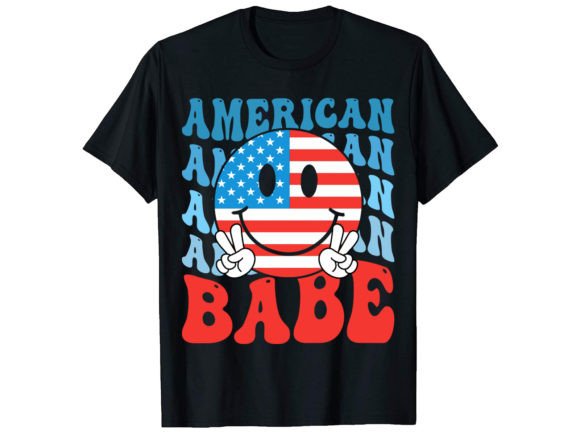
As someone who spends hours digitizing and stitching out designs for clients, I approach every new file with a mix of excitement and skepticism. When I first laid eyes on the American Babe 4th of July T-Shirt graphic, my immediate reaction was one of visual appreciation. It captures that specific, vibrant energy of Independence Day without feeling cluttered or overly traditional. However, as an embroidery product reviewer, my job isn't just to say a design looks pretty on a screen; it is to determine if it holds up under the needle. This review breaks down how this colorful graphic translates from a digital asset into a tangible, stitched reality for your craft business.
First Impressions and Visual Personality
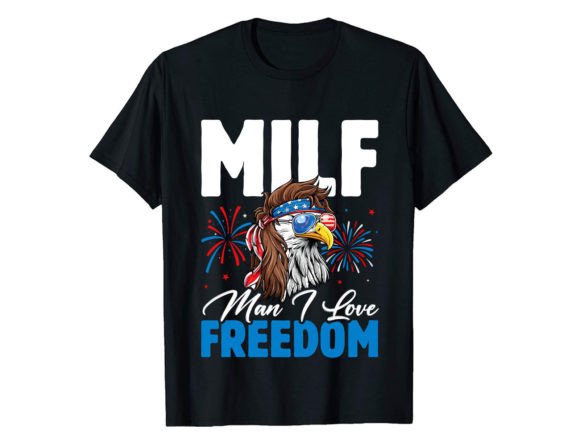
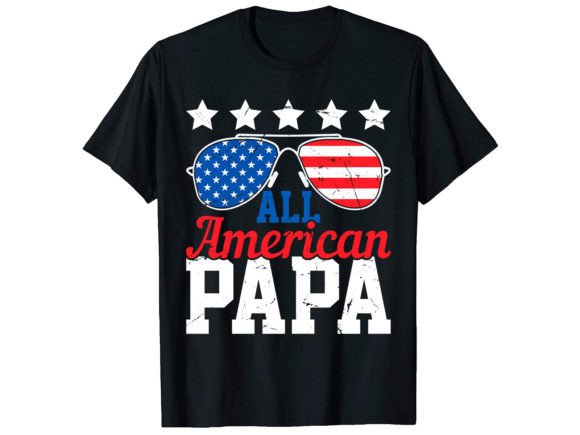
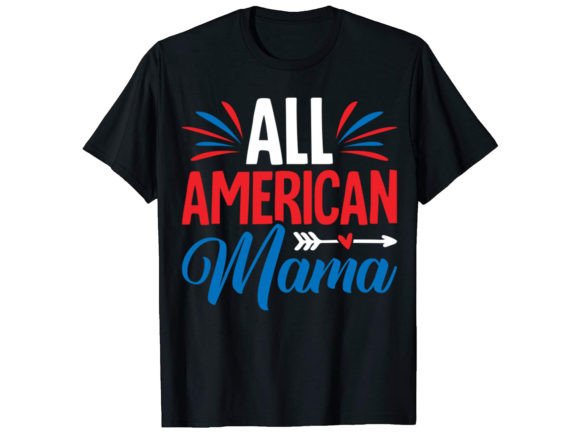
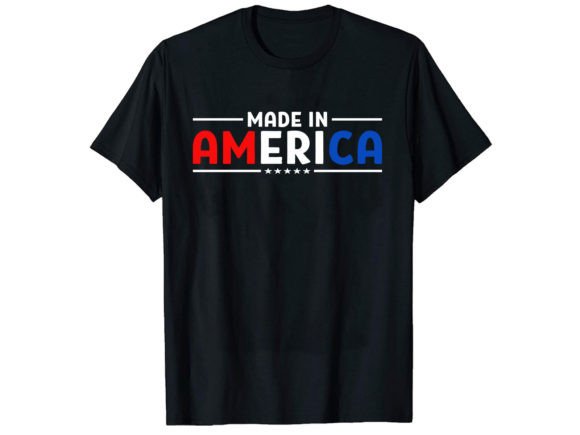
The mood of this design is undeniably festive and bold. The layout suggests a strong central focus, likely featuring typography paired with patriotic iconography. For an embroidery project, the "personality" of a design dictates where it belongs. This particular graphic screams custom apparel. It feels right at home on a vintage wash tee or a structured canvas tote. The color palette, described as colorful, implies a need for careful thread selection. In a digital T-Shirt Design, gradients and shadows are easy to render, but in embroidery, we have to translate those nuances into distinct thread colors. The visual appeal here relies on high contrast, which is excellent for grabbing attention at a craft fair or in an Etsy listing thumbnail.
Real-World Application: The Boutique Sweatshirt Scenario
To truly test the viability of the American Babe 4th of July T-Shirt concept, I imagined a specific real-life scenario: preparing a limited run of holiday sweatshirts for a local boutique. The client wanted something that felt handmade but professional, avoiding the cheap look of mass-produced heat transfers.
If I were to adapt this graphic for a sweatshirt embroidery project, the first step would be analyzing the density. Graphics designed for printing often have solid blocks of color that can become heavy when filled with satin or fill stitches. On a fleece or French terry fabric, too much density can cause puckering or make the garment stiff and uncomfortable. My assessment is that this design works best if simplified. Large areas of color should be converted to lighter fill patterns or even considered for an applique design approach if the original file allows for layering. This reduces bulk while maintaining the vibrant "Babe" aesthetic.
For a personalized gift like a baby onesie, the scale becomes critical. The details in the original graphic might be too fine for a small hoop. In this case, I would advise scaling the design up slightly or removing intricate background elements to ensure the stitching clarity remains sharp after washing. A blurry, dense patch of thread on a baby item is a recipe for customer dissatisfaction.
Navigating Fabric Textures and Hoop Limitations
One of the biggest challenges with converting a print-ready PNG into a machine embroidery design is the fabric texture. This design shines on smooth, stable fabrics like cotton twill or high-quality jersey. However, if you plan to stitch this onto textured fabrics like waffle knit or heavily slubbed linen, you must be cautious. The running stitch outlines or fine details could get lost in the weave of the fabric.
Furthermore, consider the hoop size. If the original graphic is wide, it may require a large hoop, limiting its use on items like caps or curved visors. While the product description mentions suitability for caps, a wide graphic often needs to be arched or significantly resized to fit the curvature of a hat without distortion. For embroidered patch creation, this design is a strong contender, provided the edges are finished with a tight satin stitch border to prevent fraying.
Dark fabrics present another consideration. Since this is a colorful graphic, ensuring opacity is key. If the digitized version uses sparse stitching, the dark fabric underneath will show through, muddying the reds and blues. A proper underlay is non-negotiable here to maintain the vibrancy of the Graphics.
Practical Notes for the Commercial Embroiderer
Before committing this design to a paid client order, there are several technical steps I always take. First, test the design on scrap fabric that matches your final product. This reveals issues with stabilizer choice immediately. For stretchy fabrics like t-shirts, a cut-away stabilizer is usually safer than tear-away to prevent the design from warping over time.
- Check Thread Color Contrast: Ensure your reds, whites, and blues pop against the garment color. Sometimes a navy blue thread looks black on screen but stitches out differently.
- Review Stitch Density: If the design feels stiff after stitching, reduce the fill density in your software.
- Inspect Small Details: Tiny lettering or thin lines can easily turn into thread nests if not properly digitized for the specific thread weight you are using.
- Mockup Testing: Create both color and black-and-white mockups to see how the design reads without the distraction of hue. This helps judge the structural balance of the artwork.
Impact on Brand and Customer Trust
Using a well-executed version of the American Babe 4th of July T-Shirt design can significantly boost your handmade product value. Customers associate clean, crisp stitching with professionalism. If the threads are neat and the colors are vibrant, it builds customer trust and encourages repeat business. Conversely, a poorly adapted graphic that puckers or fades after one wash can damage your reputation as an Etsy seller or small shop owner.
This design asset has the potential to be a staple in your holiday embroidery collection. Whether used for tote bag design, kitchen towels, or custom apparel, its versatility lies in its thematic strength. It taps into the patriotic market without being generic, offering a modern twist that appeals to a younger demographic looking for boutique-style goods.
Final Verdict and Licensing Considerations
In conclusion, the American Babe 4th of July T-Shirt graphic is a promising starting point for creative entrepreneurs. Its strength lies in its bold theme and adaptability across various design assets. However, it is crucial to remember that the provided file is a PNG intended for print. To use it for embroidery, you must either have it professionally digitized or use reliable conversion software, keeping in mind that auto-digitizing often requires manual cleanup.
Always confirm licensing before selling finished items. Just because a file is purchasable does not automatically grant commercial rights for physical goods unless specified. Check the terms regarding commercial embroidery and digital resale. If the license permits, this design can be a profitable addition to your summer lineup, provided you respect the technical limitations of the embroidery medium. By taking the time to test, adjust, and refine, you can transform a simple graphic into a high-quality finished product that stands out in the marketplace.