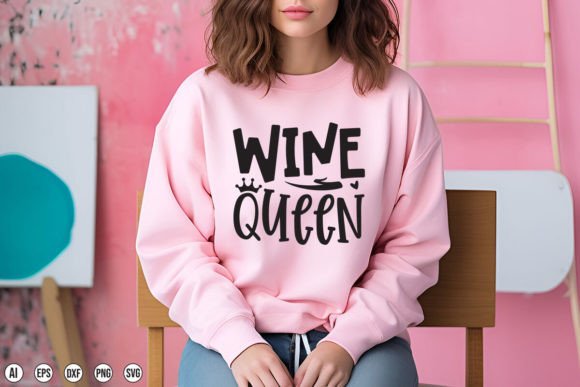
Wine Queen: A Designer's Take on This Bold Embroidery Asset
When I first pulled up the Wine Queen design file on my screen, I wasn't just looking at another graphic to add to my library. As someone who spends hours hooping fabric and troubleshooting thread breaks, I was immediately assessing its potential as a real-world machine embroidery design. The title suggests a playful, perhaps slightly sassy vibe, perfect for the modern wine enthusiast, but the true test lies in how those vectors translate into actual stitches on textured fabric.
The initial visual impression is strong. The layout feels balanced, with a personality that screams "boutique ready." It has that specific visual weight that works exceptionally well for T-Shirt Designs and casual apparel. However, moving from a digital Graphics file to a tangible handmade product requires a critical eye. Does the detail level hold up under the needle? Is the stitch density manageable for home machines, or will it puckers the fabric? These are the questions I ask before committing to a client project.
From Screen to Stitch: Real-World Application
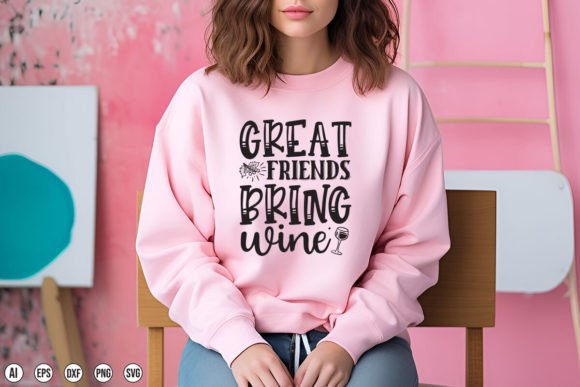
Let's talk about a specific scenario where Wine Queen shines. Imagine a local boutique owner who needs a run of custom sweatshirt embroidery for a girls' weekend getaway. They want something fun but sophisticated enough that their customers will wear it beyond the trip. This design fits that bill perfectly. Because the files provided include editable formats like AI, EPS, and SVG, I have the flexibility to tweak colors to match specific brand palettes or seasonal trends without losing quality.
In this case, I would likely place the design on the left chest of a heavy cotton blend sweatshirt or centered on the back of a canvas tote bag design. The bold nature of the artwork ensures it remains legible even from a distance, which is crucial for commercial embroidery where brand recognition matters. When stitched out, the interplay of light and shadow on the threads adds a dimension that a flat print simply cannot achieve. This elevates the perceived value of the finished product, allowing the seller to command a higher price point.
For an Etsy seller or a creator running a small shop product line, versatility is key. Wine Queen transitions smoothly between different substrates. I can envision it working beautifully as an embroidered patch sewn onto a denim jacket, or as a focal point on a kitchen towel for a housewarming personalized gift. The high-resolution PNG and JPG mockups included in the package are a massive time-saver for creating listing images, giving potential buyers a clear idea of what the final item looks like before they even click "add to cart."
Navigating Technical Challenges and Fabric Choices
While the aesthetic appeal is undeniable, a responsible designer must address the technical realities of stitching Wine Queen. Not every surface is created equal. If you are planning to use this on a stretchy fabric like a thin jersey tee or a performance athletic shirt, you need to be cautious. The stitch density appears substantial in the preview, which means without the proper stabilizer, you risk distortion or puckering.
I always recommend testing the design on scrap fabric first. This is non-negotiable. Check how the thread colors interact with the base material. On dark fabrics, you might need to adjust the underlay or increase the opacity of certain fill areas to prevent the background from showing through. Conversely, on very light or sheer fabrics, ensure that the backing doesn't create an unsightly shadow.
Curved surfaces present another challenge. If you are attempting Wine Queen on a cap or a structured hat, the hoop size and the curvature of the frame can distort the image. Detailed corners and tiny lettering—common in typography-heavy designs—can become muddy if the machine isn't calibrated correctly or if the needle size is too large for the detail. For these applications, I suggest simplifying the color palette or ensuring the design is scaled appropriately to maintain clarity.
Enhancing Brand Value and Customer Trust
Beyond the mechanics of stitching, there is the business aspect to consider. Using a high-quality asset like Wine Queen directly impacts your brand consistency. When a customer receives a custom apparel item that looks professional and feels durable, it builds trust. Sloppy stitching or poorly chosen designs can damage a reputation quickly. This design, with its clean lines and adaptable color options, supports a polished presentation.
For those selling digital embroidery files or finished goods, the inclusion of 100 editable files and 100 color-changeable options is a significant advantage. It means you aren't stuck with a single look. You can offer customization services, charging extra to match a bride's wedding colors or a corporate logo's specific shade. This flexibility turns a standard graphic into a dynamic tool for customer engagement.
Final Verdict and Best Practices
Before launching into production with Wine Queen, here are my top practical notes for fellow makers:
- Check Licensing: Always confirm the license terms before selling finished items or digital products. Ensure your usage aligns with the creator's permissions for commercial use.
- Stabilizer Selection: Match your stabilizer to your fabric. Cut-away stabilizer is often best for stretchy garments to prevent long-term distortion, while tear-away works well for stable woven fabrics like towels.
- Thread Contrast: Experiment with thread weights. A slightly thicker thread might give a more rustic, textured look, while a finer thread offers crisp details.
- Mockup Testing: Use the provided transparent backgrounds and mockups to visualize the design on various product types before committing to the stitch-out.
- Hoop Confirmation: Verify that the design fits within your available hoop sizes, especially if you are working with smaller machines or specific hoops for hats.
In conclusion, Wine Queen is more than just a pretty picture; it is a versatile asset for the serious crafter. Whether you are creating holiday embroidery gifts, stocking up inventory for a craft fair, or fulfilling a custom order for a loyal client, this design holds up under scrutiny. It bridges the gap between digital convenience and tactile artistry, offering a reliable foundation for creating memorable, high-value products. Just remember to respect the materials, test your settings, and let the quality of your execution speak for itself.