Reviewing Trains Make Me Happy for Embroidery
As a designer who spends more time staring at stitch simulations than I do sleeping, I have learned that the difference between a charming handmade item and a cluttered mess often comes down to the source file. When I first pulled Trains Make Me Happy into my workspace, I was not just looking at a cute graphic; I was evaluating its potential as a viable commercial asset. This is not merely a digital download; it is a foundation for tangible products. For embroidery designers, Etsy sellers, and craft entrepreneurs, understanding how a design translates from screen to fabric is critical. Here is my practical assessment of this illustration set for real-world application.
First Impressions and Visual Personality
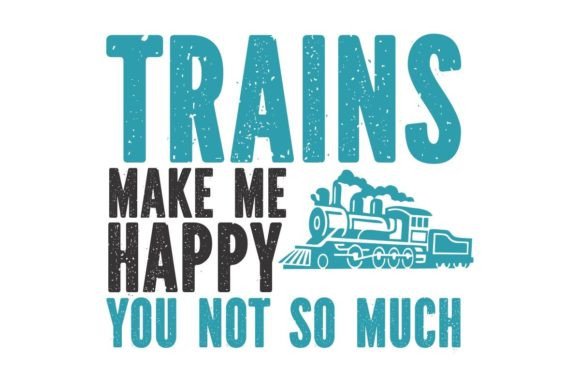
The immediate appeal of Trains Make Me Happy lies in its nostalgic yet modern simplicity. The theme evokes a sense of childhood wonder and mechanical charm, which translates beautifully into textile art. Visually, the lines are clean, suggesting that the original vector paths are well-constructed. For an embroidery project, this is promising. Clean lines usually mean fewer unnecessary jumps and a smoother stitching process. The mood is upbeat and friendly, making it an ideal candidate for products aimed at children, transportation enthusiasts, or anyone who appreciates whimsical decor.
However, as a reviewer, I look past the aesthetic. I examine the complexity. Does the design rely on tiny details that will vanish under thread? In this case, the bold shapes suggest it will hold up well, but the devil is always in the digitizing. Since this package includes SVG, DXF, and PNG files, it is primarily a graphic resource. If you are using this for machine embroidery, you will likely need to digitize it yourself or use auto-digitizing software with caution. The clarity of the PNG at 4500×5400 pixels and 300 dpi provides an excellent reference for manual digitizing, ensuring you can trace accurate curves and maintain the integrity of the train’s shape.
Real-World Application: From Screen to Stitch
Let us imagine a realistic scenario. You run a small shop selling personalized baby items. A customer orders a custom sweatshirt for a toddler’s second birthday. They love trains. You select Trains Make Me Happy as the central motif. Because the design is categorized under Illustrations and Graphics, you have the flexibility to adapt it. You might choose to create an applique design, using the SVG to cut colorful fabric pieces for the train body, then securing them with a satin stitch border. This approach reduces stitch count, keeps the garment soft against a child’s skin, and adds tactile dimension.
Alternatively, consider a tote bag design for a local library’s summer reading program. Here, you might opt for a dense fill stitch to create a solid, vibrant image that stands up to frequent washing and heavy use. The transparent background of the PNG file allows you to easily place the graphic onto mockups of various colored bags, helping you visualize contrast before you even thread your needle. This versatility is crucial for craft business owners who need to produce diverse inventory quickly.
For apparel decorators, the scalability of the vector files (SVG and DXF) is a significant advantage. You can resize the design for a left-chest logo on a cap or enlarge it for the back of a hoodie without losing resolution. This adaptability makes it a valuable asset for both personal use and commercial embroidery projects where client demands vary widely.
Navigating Technical Challenges
While the design is appealing, there are areas where caution is required. Embroidery is unforgiving of poor planning. If you intend to stitch this directly as a fill stitch design without proper digitizing, watch out for stitch density. Trains often have wheels and intricate details. If these elements are too small relative to your hoop size, they may become a tangled mess of thread breaks and bird nests. Always test the design on scrap fabric first. This is non-negotiable for professional results.
Fabric texture also plays a pivotal role. On a textured towel or a fuzzy fleece sweatshirt, fine details can get lost. For such fabrics, simplify the design. Use broader satin stitches for outlines and avoid micro-details. Conversely, on smooth cotton or polyester blends, the design will shine with greater precision. If you are working with stretchy fabrics like jersey knits for t-shirts, ensure you use the correct stabilizer. A cut-away stabilizer is often best for garments that will be washed repeatedly, preventing the design from puckering over time.
Dark fabrics present another challenge. If you are stitching a light-colored train on a navy blue hoodie, you must consider underlay stitches. Proper underlay helps cover the dark fabric and provides a stable base for the top threads, ensuring the colors pop as intended. Without it, the underlying fabric may show through, muddying the visual appeal of your finished product.
Enhancing Product Value and Brand Consistency
Using high-quality graphics like Trains Make Me Happy elevates the perceived value of your handmade product. Customers can spot a low-resolution, pixelated image from a mile away. A crisp, well-stitched design signals professionalism and care. It builds trust. When a buyer receives a personalized gift that looks polished and durable, they are more likely to return to your shop or recommend you to friends. This is the essence of brand consistency. By selecting strong design assets, you define the aesthetic of your small shop product line.
Moreover, the versatility of the file formats supports better marketing. You can use the PNG to create eye-catching social media posts or printable mockups for your Etsy listings. Showing the design in situ—on a pillow cover, a cap, or a kitchen towel—helps customers visualize the final result, increasing buyer engagement and conversion rates. The transparent background makes compositing these images into lifestyle shots effortless, saving you time on graphic design tasks.
Practical Notes for the Embroidery Designer
Before you commit to a large production run, keep these practical tips in mind:
- Check Licensing: Always confirm the license terms provided with the download. Ensure you are allowed to use the design for commercial purposes if you plan to sell finished items.
- Test Stitch Density: If digitizing manually, adjust your stitch density based on the fabric. Too dense, and the fabric will pucker; too loose, and the backing will show.
- Color Contrast: Experiment with thread colors. Sometimes, a monochromatic look works better than a rainbow of threads, especially for minimalist aesthetics.
- Hoop Size Selection: Choose the smallest hoop that comfortably fits the design to minimize stabilization issues and maximize accuracy.
- Mockup Testing: Use the PNG to test the design in black and white. If it looks good in grayscale, it will likely translate well to thread, as value contrast is key to visibility.
In conclusion, Trains Make Me Happy is a robust graphic resource for the creative entrepreneur. It offers the flexibility needed for various applications, from baby embroidery to boutique branding. However, its success depends entirely on your technical execution. Respect the materials, understand your machine, and always prioritize quality control. When done right, this design can become a staple in your portfolio, delighting customers and driving sales for your craft business.