Review: USA 4th of July T-Shirt for Embroidery Projects
As a designer who spends more time staring at stitch maps than most people care to admit, I approach every new USA 4th of July T-Shirt graphic with a mix of excitement and skepticism. We all know the drill: a digital file looks vibrant on a screen, but the moment it hits the hoop, reality sets in. Today, I am breaking down this specific patriotic graphic not just as a print asset, but through the lens of an embroidery professional looking to create tangible, high-quality handmade products. The listing describes a colorful graphic suitable for various applications, but my job is to determine if it holds up under the needle.
First Impressions and Visual Personality
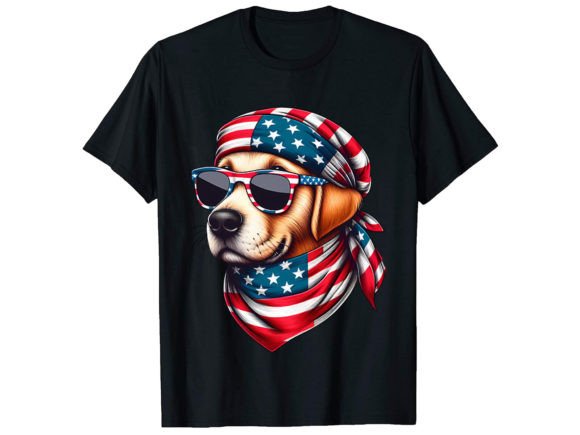
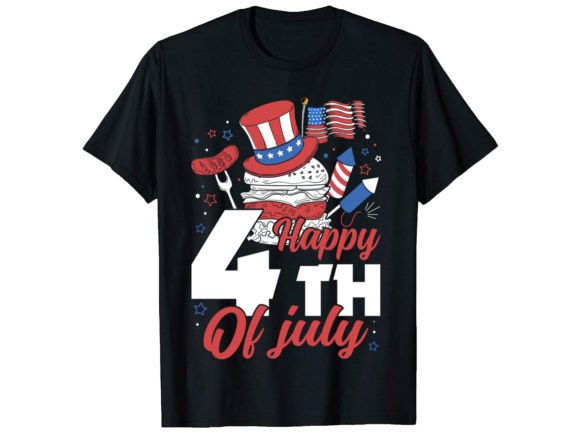
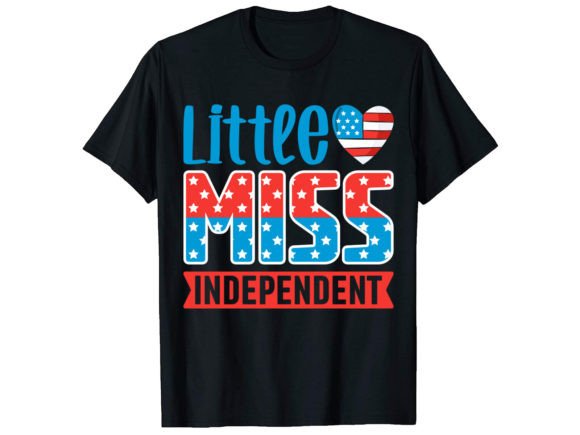
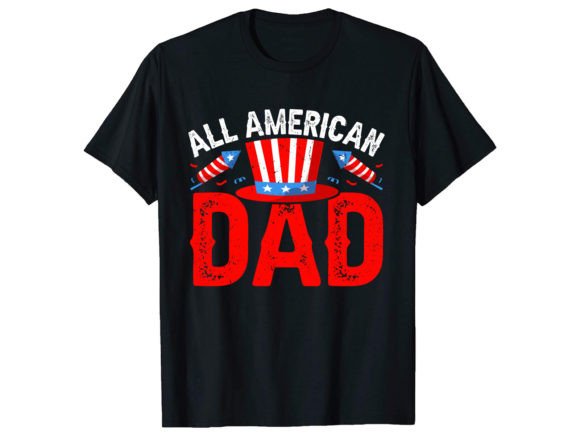
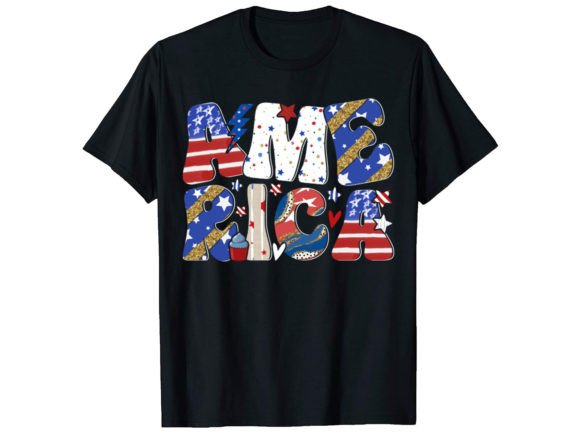
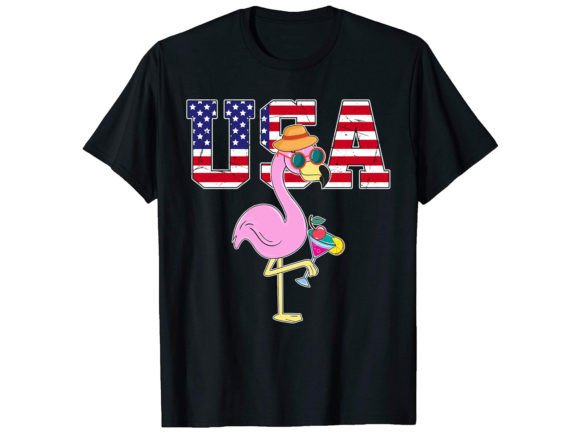
When I first pulled up the preview for the USA 4th of July T-Shirt design, the immediate takeaway was its bold, celebratory mood. It screams summer cookouts, parades, and backyard fireworks. The layout appears balanced, utilizing classic red, white, and blue motifs that are instantly recognizable. For an embroiderer, the "visual personality" of a design dictates everything from thread selection to fabric choice. This particular graphic has a strong presence, which is excellent for making a statement on a custom apparel piece.
However, translating a Graphics file intended for printing into a machine embroidery design requires a critical eye. The original product description notes it is a PNG file, which means it is a raster image, not a pre-digitized embroidery file with defined stitch types like satin stitch or fill stitch. This is a crucial distinction. If you are an embroiderer, you cannot simply load this into your machine. You must use this high-resolution image as a reference to digitize your own pattern or trace it using software. The 4500-pixel width mentioned in the specs is a huge plus here; it provides enough clarity to see exactly where color blocks end and begin, making the digitizing process much smoother.
Real-World Application: The Boutique Sweatshirt Scenario
Let's walk through a real-life scenario where I would utilize this concept. Imagine a small shop owner preparing for the July rush. They want to offer a limited-run sweatshirt embroidery collection. The USA 4th of July T-Shirt graphic serves as the perfect inspiration board. Because the design is colorful and graphic-heavy, it would look fantastic centered on the chest of a heather grey French terry sweatshirt.
In this context, the design's simplicity works in our favor. Complex gradients in print often translate poorly into thread unless you have thousands of stitches, which can make a garment stiff. By interpreting this graphic into an applique design or using broad fill stitch areas, we can maintain the vibrancy without compromising the drape of the fabric. A customer buying this isn't just buying a shirt; they are buying a feeling of national pride and festive fun. If the stitching is clean and the colors pop against the fabric texture, that finished product becomes a coveted item for holiday gatherings.
Versatility Across Different Products
Beyond sweatshirts, the adaptability of this theme is impressive. Here is how I see this design fitting into various embroidery project categories:
- Tote Bags: A canvas tote with this patriotic motif is a staple for Etsy sellers. The sturdy fabric handles dense stitching well.
- Caps and Hats: Placing a simplified version of this graphic on the front panel of a trucker hat creates instant brand recognition for a small shop product.
- Kitchen Textiles: Think tea towels or aprons. A holiday embroidery design like this adds a seasonal touch to home decor.
- Baby Items: Softening the edges and scaling it down makes for an adorable baby embroidery project on a onesie or bib.
- Patches: Creating an embroidered patch allows customers to iron or sew the design onto denim jackets or backpacks later.
Technical Considerations for Stitching
While the potential is high, there are technical hurdles to clear before declaring this design ready for commercial embroidery. Since the source is a print-ready PNG, you are responsible for the digitizing strategy. One major area of concern is stitch density. In the original graphic, solid blocks of color might look flat, but in thread, they need careful underlay and coverage to prevent the fabric from showing through.
You must also consider the hoop size. If the full design is large, it might require a jumbo hoop, which not every home machine possesses. For smaller items like baby clothes or pockets, you may need to scale the design down. When shrinking graphics, tiny details can get lost. If the design includes fine lines or small text elements (common in T-Shirt Designs), these might need to be removed or thickened during the digitizing phase to ensure they don't turn into a tangled mess of thread.
Fabric choice is another variable. On textured fabrics like pique polo shirts or waffle knits, the smooth lines of the original graphic might appear jagged if the stitch count isn't high enough. Conversely, on stretchy fabrics like jersey knits, a dense design can cause puckering. Using the right stabilizer is non-negotiable here. For a project like this, I would recommend a cut-away stabilizer for garments that will be washed frequently, ensuring the personalized gift lasts for years without distorting.
Color Contrast and Thread Selection
The success of the USA 4th of July T-Shirt concept relies heavily on thread colors. Red, white, and blue are primary colors that demand high quality threads to avoid looking cheap. When digitizing, pay close attention to how the colors interact. If you are stitching on a dark navy hoodie, the white elements will pop beautifully, but the red might get lost if it's too dark. Running a test on scrap fabric with your intended thread brands is essential. Also, consider testing the design in black and white mockups first; if the design loses its shape without color, the contrast in your stitch plan needs adjustment.
Business Value and Customer Trust
For creative entrepreneurs and craft business owners, the visual appeal of the final item directly impacts buyer engagement. A sloppy interpretation of a patriotic design can look amateurish, damaging brand consistency. However, a well-executed version of this graphic signals professionalism. It shows that you understand how to translate a digital idea into a tactile reality. This builds customer trust. When a client sees crisp edges, consistent tension, and vibrant colors on their custom apparel, they are more likely to return for future printable mockup ideas or physical goods.
Furthermore, using a popular theme like the 4th of July increases the giftability of the product. People are actively searching for festive items during this season. Having a unique, hand-embroidered take on a standard graphic gives you an edge over mass-produced screen prints. It adds value through craftsmanship.
Final Verdict and Designer Notes
The USA 4th of July T-Shirt graphic is a solid foundation for a variety of creative projects, provided you approach it with the right technical mindset. It is not a plug-and-play digital embroidery file, but rather a high-quality asset for designers who know how to digitize. Its strength lies in its clear thematic elements and versatility across different mediums, from tote bag design to boutique branding.
Before committing to a production run, keep these practical notes in mind:
- Digitize Carefully: Do not auto-digitize without reviewing the path. Ensure smooth transitions between color blocks.
- Check Licensing: Confirm the license terms of the original PNG. Just because you bought the graphic doesn't automatically mean you can resell the digitized file. Usually, you can sell the finished product, but check specifically for commercial embroidery rights.
- Test on Scraps: Always stitch out a sample on the exact fabric you plan to use. Check for puckering and registration issues.
- Mind the Details: Inspect small corners and curves. These are often the first places where a design fails if the density is too high.
- Consider the Background: Compare how the design looks on light versus dark fabrics. You may need two versions of the digitized file with adjusted border colors or underlays.
In conclusion, while this product starts as a graphic for T-Shirt Designs, its true potential for an embroiderer lies in the translation process. With skilled digitizing and thoughtful material selection, this design can become a standout piece in any summer collection, offering both aesthetic charm and commercial viability for the savvy maker.