Review: Best Selling Sweet 16 T-Shirt Design for Embroidery
As a designer who spends more time staring at stitch maps than most people care to admit, I approach every new Best Selling Sweet 16 T-Shirt Design with a healthy dose of skepticism. We have all seen the flood of generic birthday graphics that look great on a screen but turn into a thread-breaking nightmare once they hit the hoop. However, after spending some time analyzing this specific quote design intended for apparel and gifts, I found some genuinely promising elements for those of us running small craft businesses or looking to create high-end personalized items.
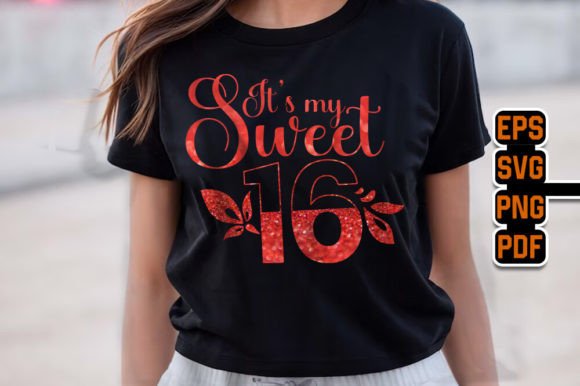
The first thing that strikes me about this asset is its versatility. While the product listing categorizes it under T-Shirt Designs and general Graphics, my mind immediately went to how this would translate into a tangible embroidery project. The layout is clean, which is crucial. In the world of machine embroidery design, clutter is the enemy. A "Sweet 16" motif needs to be legible from across a room at a party, yet detailed enough to look professional up close. This design seems to strike that balance, offering a bold statement piece that could anchor a whole collection of boutique products.
Visual Personality and Project Fit
The mood of this design feels celebratory without being overly childish. That is a hard line to walk. Too many teen designs lean into cartoons that the recipient will outgrow in a month. This graphic, however, has a timeless quality that suggests it could work just as well on a high-quality hoodie as it does on a commemorative tote bag. When I visualize this as a finished product, I see it working beautifully on a heather grey sweatshirt or a crisp white canvas tote. The typography appears substantial enough to hold up against various thread colors, allowing you to customize the vibe from neon party mode to elegant gold script depending on your client's preference.
For an Etsy seller or someone managing a craft business, the potential applications are vast. Imagine offering a "Birthday Bundle" where this design is stitched onto a matching set: a cap, a t-shirt, and a pillow cover for the birthday girl's room. Because the file provided is a high-resolution PNG (4500×5400 at 300 dpi) and an editable EPS, you have the flexibility to manipulate the vector data if you have the skills to convert it into a proper embroidery file. If you are not a digitizer yourself, this graphic serves as an excellent reference or a base for heat-transfer vinyl if embroidery isn't the primary route, though our focus here is strictly on the stitched potential.
Real-World Application: The Custom Sweatshirt Scenario
Let's walk through a real-life scenario. A customer comes to your small shop product lineup asking for a special gift for their daughter's sixteenth birthday. They want something better than a mass-produced shirt from a big box store. You pull up the Best Selling Sweet 16 T-Shirt Design. Your instinct is to place this on the chest of a premium fleece-lined sweatshirt. This is a classic sweatshirt embroidery application.
In this context, the design's scale is critical. Since the source file is large, you can resize it to fit a 4x4 or 5x7 hoop comfortably. The visual weight of the text suggests it would look fantastic using a combination of stitch types. If you were digitizing this based on the EPS file, you might opt for a fill stitch for the main block letters to give them body and a satin stitch border to make the edges pop against the fuzzy texture of the fleece. For a personalized gift like this, the tactile feel of the stitching adds a layer of value that a printed graphic simply cannot match.
However, we must be realistic about the challenges. Sweatshirts are thick. If the design has extremely fine details or tiny lettering within the "Sweet 16" phrase, those areas might get lost in the nap of the fabric. This is where your expertise as an embroiderer comes in. You would need to ensure that the stitch density is adjusted so the design doesn't become too stiff or cause the fabric to pucker. A heavy design on a stretchy garment can lead to distortion after the first wash, ruining the handmade product presentation.
Technical Considerations for Stitching
Before you commit to stitching this on a client's expensive garment, there are several technical factors to review. First, remember that the files provided are PNG and EPS. These are design assets, not ready-to-stitch machine files like PES or DST. You will need to digitize this yourself or hire a professional to convert the vector art into a digital embroidery file compatible with your machine. Do not attempt to print the PNG and transfer it directly for stitching without proper digitization; the result will lack the necessary underlay and stitch structure.
When planning your embroidery project, pay close attention to the hoop size. If you plan to use this on a tote bag design or a larger back-panel placement on a jacket, ensure your machine can handle the dimensions. For smaller items like a cap or a baby onesie (perhaps for a "Big Sister" variation), you may need to scale the design down significantly. Be cautious here: shrinking complex graphics can merge small gaps between letters, leading to thread breaks or a muddy appearance.
Fabric choice is another major variable. On dark fabrics, you will need to consider the contrast of your thread colors. A light-colored thread on a black hoodie looks striking but requires perfect tension to avoid showing the background fabric through the stitches. Conversely, on light fabrics, you might need a darker underlay to prevent the garment color from altering the perceived hue of the thread. Always test the design on scrap fabric that matches the weight and texture of your final material. This step is non-negotiable for maintaining customer trust and ensuring brand consistency.
Commercial Viability and Licensing
For those of you looking to expand your commercial embroidery offerings, understanding the licensing terms is vital. The product description mentions usage for t-shirts, banners, posters, and more, which implies a broad license for physical goods. However, always double-check the specific terms regarding the sale of the digital file itself versus the sale of the finished product. Generally, you can sell the embroidered item, but reselling the EPS or PNG as a standalone digital download might be restricted. Clarifying this protects your craft business from legal issues down the road.
From a marketing perspective, this design has strong buyer engagement potential. Birthday milestones are evergreen; there is always a teenager turning sixteen. By offering this as part of a custom apparel package, you increase the average order value. Pair it with matching accessories like an embroidered patch for a backpack or a kitchen towel for a "Sweet 16" themed sleepover, and you create a cohesive brand experience. The professionalism of the graphic translates directly to the perceived quality of your shop.
Final Verdict for Makers
The Best Selling Sweet 16 T-Shirt Design is a solid contender for your library of design assets. Its strength lies in its adaptability and clear visual hierarchy. It avoids the trap of being too trendy, ensuring that the giftability remains high even as styles change. Whether you are creating a holiday embroidery gift, a nursery decor piece for an older sibling, or a standout item for a boutique branding campaign, this graphic provides a strong foundation.
Just remember, the magic happens in the execution. The transition from a crisp EPS vector to a beautiful satin stitch or applique design requires skill, testing, and attention to detail. Check your stabilizer choices, respect the limits of your hoop size, and always prioritize the durability of the finished product. If you treat this graphic with the care it deserves, it can become a staple in your portfolio, helping you deliver memorable, high-quality items that customers will cherish long after the party is over.