Born on the 4Th of July: A Designer's Review
As someone who spends hours digitizing and stitching for clients, I approach every new machine embroidery design with a critical eye. It is not just about whether an image looks cute on a screen; it is about how that graphic translates into thread, how it sits on fabric, and whether it holds up after a wash cycle. Recently, I evaluated the Born on the 4Th of 4th of July T-Shirt graphic to see if it has what it takes for real-world application. This isn't a standard product description; this is a practical look at how this specific asset performs when you move from digital file to finished product.
First Impressions and Visual Personality
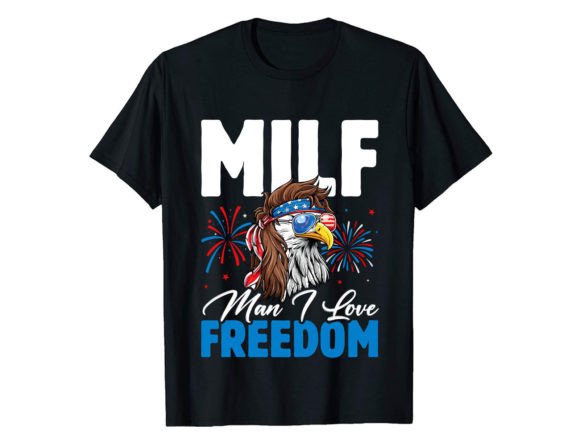
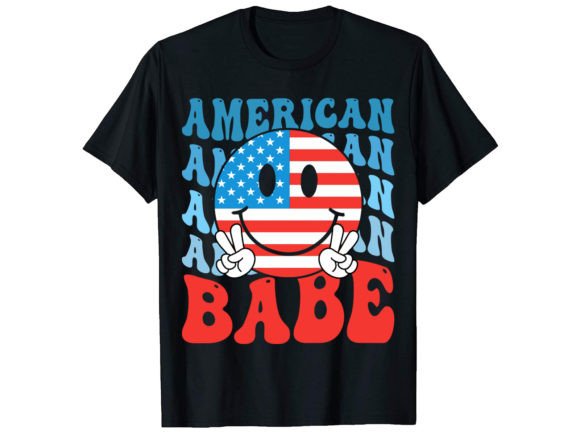
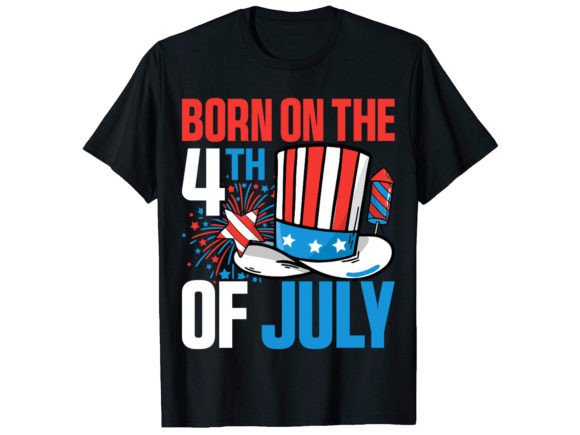
When I first pulled up the Born on the 4Th of 4th of July T-Shirt design, the immediate takeaway was its bold, celebratory mood. The layout screams Independence Day without being overly cluttered. For an embroidery project, clarity is king. A design that relies too heavily on tiny gradients or complex shading often turns into a muddy mess once stitched. This graphic, however, features strong shapes and distinct color blocks that suggest it would translate well into satin stitch and fill stitch techniques.
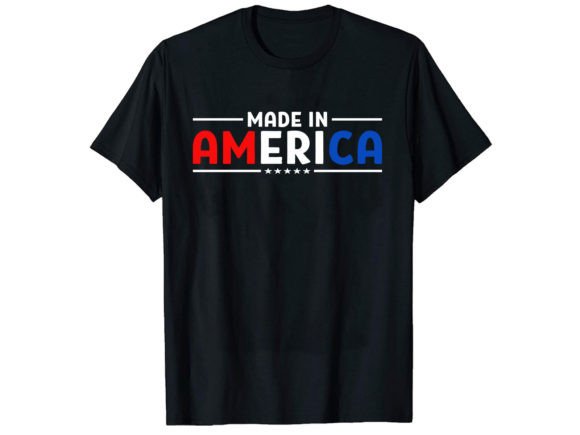
The typography appears sturdy, which is crucial. In my experience, thin, wispy fonts often get lost in the texture of a towel or a sweatshirt. The lettering here looks substantial enough to maintain readability even when scaled down for a baby onesie or scaled up for a tote bag. The visual personality is patriotic but modern, avoiding the dated, clip-art feel that can sometimes plague holiday T-Shirt Designs. It feels like something a boutique owner would confidently place on a high-end garment.
Real-World Application Scenarios
To truly test the viability of this design, I imagined a specific scenario: a small shop owner preparing for a summer craft fair. They need a lineup of custom apparel that sells quickly but looks professional. The Born on the 4Th of 4th of July T-Shirt graphic fits perfectly here. I can visualize this stitched onto a navy blue cotton tote bag using red and white thread accents. The contrast would be sharp, making the design pop against the dark background.
Another strong use case is sweatshirt embroidery. Hoodies and crewnecks are staples for July 4th gatherings. Because this design likely relies on solid areas of color rather than intricate line work, it would sit beautifully on the slightly heavier texture of fleece or French terry cloth. It would also make an excellent candidate for an embroidered patch. If you digitize this as a merrow-edge patch, the bold outlines would define the shape perfectly, allowing customers to iron it onto denim jackets or caps later.
For those running an Etsy seller business focused on personalized gifts, this graphic offers versatility. Imagine offering a service where you add a name below the main graphic in a complementary script font. This transforms a standard holiday embroidery item into a unique keepsake for a child's first Fourth of July. The design acts as a strong anchor, allowing for customization without overwhelming the viewer.
Fabric Considerations and Technical Challenges
While the design shows promise, there are areas where caution is necessary. If you are working with stretchy fabrics like performance tees or thin rayon blends, the density of the stitch becomes a major factor. If the original Graphics are converted into a dense fill stitch without proper underlay, the fabric might pucker or distort. I always recommend testing the design on scrap fabric that matches your final material. This is especially true for curved surfaces like caps. Placing a wide, horizontal design on a structured cap requires careful hooping and potentially splitting the design to accommodate the curve.
Dark fabrics present another consideration. If the design includes light colors, you must ensure your digitizing includes a solid underlay to prevent the dark fabric from showing through the stitches. Without this, the vibrant reds and whites of the Born on the 4Th of 4th of July T-Shirt could look dull or grayish. Conversely, on white fabric, you need to ensure the thread colors are saturated enough to stand out. Checking the design in a black-and-white mockup before stitching can help you gauge the contrast levels effectively.
Impact on Brand and Customer Perception
In the world of handmade products, presentation is everything. Using a high-quality, well-thought-out design directly impacts customer trust. If a buyer receives a shirt where the text is illegible or the stitching looks jagged because the design was too detailed for the hoop size, they are unlikely to return. The Born on the 4Th of 4th of July T-Shirt design, with its clean lines and clear message, supports a professional brand image. It tells the customer that the maker cares about quality.
For commercial embroidery projects, consistency is key. If you are producing a run of fifty shirts for a local parade or a family reunion, you need a design that stitches out reliably every single time. A design with balanced stitch density reduces thread breaks and machine time, directly affecting your profit margin. This graphic seems to offer that reliability, making it a safe bet for bulk orders where efficiency matters.
Practical Notes for the Maker
Before committing to a final project, there are several steps every designer should take. First, verify the file formats provided. The product description mentions PNG files, which are raster images. To use this for machine embroidery, you will need to digitize it yourself or have it converted into a proper embroidery file format compatible with your machine (such as PES, DST, or XXX). Do not attempt to embroider directly from a PNG without digitization software.
- Check Licensing: Always confirm the license terms before selling finished items. Ensure the creator allows for commercial use of the stitched products.
- Stabilizer Selection: Match your stabilizer to your fabric. Cut-away stabilizer is often best for stretchy garments to prevent distortion over time, while tear-away works well for stable woven fabrics like aprons or pillow covers.
- Thread Contrast: Test different thread brands. Some threads have a higher sheen which can enhance the festive look of this design, while matte threads might offer a more vintage, subdued aesthetic.
- Hoop Size: Measure the design dimensions against your available hoop sizes. If the design is large, you may need a jumbo hoop or a method for re-hooping.
Ultimately, the Born on the 4Th of 4th of July T-Shirt design offers a solid foundation for a variety of creative endeavors. Whether you are creating a personalized gift for a nephew, stocking your small shop product inventory, or making a statement piece for yourself, the potential is there. The key lies in the execution. By respecting the limitations of your materials and taking the time to digitize and test properly, you can turn this graphic into a standout piece of wearable art. It is a reminder that great embroidery is not just about the machine; it is about the designer's judgment and the care put into every stitch.