America: A Bold Graphic Review for Embroidery Projects
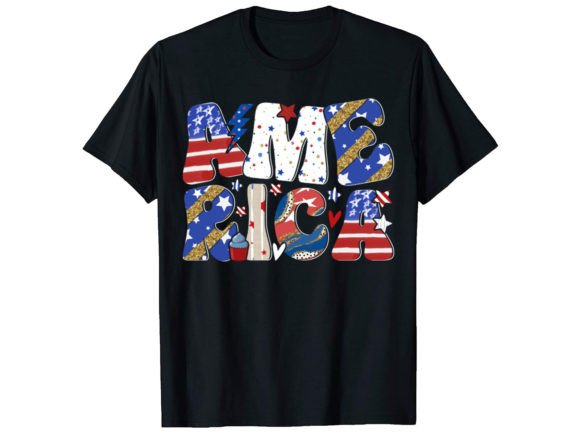
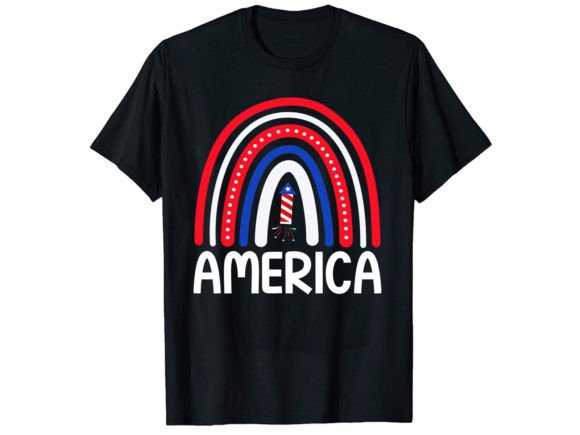
When I first pulled up the America design file on my screen, my immediate reaction was one of cautious optimism. As someone who spends hours digitizing and stitching, I know that a vibrant graphic meant for a T-shirt doesn't always translate perfectly to thread. This specific asset is marketed as a colorful 4th of July graphic suitable for banners, posters, and apparel, delivered as a high-resolution 4500×5400 PNG. While it is technically a print-ready file and not a native machine embroidery design with pre-defined stitch data, its bold lines and patriotic theme make it a prime candidate for conversion or use as a reference for custom digitizing. For the Etsy seller or craft business owner looking to expand their holiday catalog, understanding how this image behaves under the needle is crucial before committing to a finished product.
Visual Impact and Design Personality
The mood of America is undeniably celebratory and loud. It leans heavily into the classic red, white, and blue palette, which instantly signals patriotism. The layout is centered and balanced, making it versatile for various placements. However, from an embroiderer's perspective, the "colorful" nature of the original Graphics description suggests a lot of color blocking. In a T-Shirt Designs context, gradients and soft blends look fantastic on a printer, but in embroidery, these often need to be simplified into distinct thread colors. If you are planning to digitize this yourself or hire a digitizer, expect to reduce the color count to maintain clarity. The visual personality is strong enough to stand alone on a plain background, but it demands precision. Sloppy edges or poor color separation will ruin the crisp, professional look that customers expect from a handmade product.
Real-World Application: The Custom Tote Bag Scenario
To truly test the viability of this design, I imagined a real-life scenario: preparing a run of custom tote bags for a local boutique's summer sale. Tote bags are a staple for small shop products, and a patriotic design sells well around Independence Day. Using America as the central motif, the goal would be to create a durable, washable item. Because the source file is a high-res PNG, it serves as an excellent template for creating an applique design. By cutting fabric shapes to match the red and blue sections of the graphic and securing them with a tight satin stitch border, you can mimic the flat, bold look of the original print while adding the tactile quality of embroidery. This approach solves the issue of large fill stitch areas becoming too stiff or dense on a canvas bag. The result is a personalized gift or retail item that feels premium rather than mass-produced.
Alternatively, if you are using a direct-to-film transfer method combined with decorative stitching, the 4500×5400 resolution ensures the print remains sharp even when enlarged for a sweatshirt embroidery project. The key here is layering. You might print the detailed color work and then add a running stitch outline or accent details in gold or silver thread to elevate the design. This hybrid approach is increasingly popular among apparel decorators who want the complexity of print with the texture of thread.
Navigating Fabric and Hoop Constraints
While the design is striking, there are specific situations where America requires careful handling. If you intend to place this on a cap, the curved surface presents a challenge. Large, solid blocks of color can pucker if the stitch density is too high or if the stabilizer isn't robust enough. For hats, I would recommend scaling the design down significantly or breaking it into smaller elements to fit within a standard hoop size without distorting the fabric structure. Similarly, on stretchy fabrics like jersey knits used for baby clothes, a dense recreation of this graphic could restrict movement or cause discomfort against sensitive skin. For baby embroidery, simplifying the design to essential outlines or using softer, less dense stitching techniques is advisable.
Dark fabrics also pose a consideration. Since the original graphic relies on white elements for contrast, stitching directly onto a black hoodie requires a solid underlay or a white fabric applique base to prevent the dark garment from showing through the lighter threads. Without this step, the vibrancy of the "America" theme gets lost, and the visual appeal suffers. Always test your color contrast on scrap fabric that matches your final product material. This simple step builds customer trust by ensuring the finished product looks exactly like the preview.
Enhancing Value Through Execution
The way you execute America directly impacts the perceived value of your item. A sloppy stitch-out on a cheap tee screams "discount bin," but a clean, well-stabilized application on a quality blank creates a boutique feel. For commercial embroidery projects, consistency is key. If you are selling these as part of a collection, every unit must have the same thread tension and color alignment. This attention to detail fosters brand consistency and encourages repeat buyers. Furthermore, using this design for holiday embroidery gifts, such as pillow covers or kitchen towels, adds a festive touch that resonates emotionally with buyers. The patriotic theme taps into a sense of community and celebration, making the item more than just cloth; it becomes a statement piece.
Practical Notes for the Designer
Before launching into production with America, there are several technical checks to perform. First, remember that the provided file is a PNG, not a stitched embroidery file. You cannot load this directly into your machine without digitization or a hybrid printing process. If you are digitizing it, pay close attention to the small details and corners; these are prone to fraying if not secured with proper tack-down stitches. Review the stitch density carefully—too dense, and the fabric puckers; too light, and the backing shows.
It is also wise to create black-and-white mockups to check the contrast and readability of the design elements without the distraction of color. Does the shape hold up? Are the distinct parts of the graphic clear? Additionally, verify the licensing terms associated with the design assets. While the description mentions use for T-shirts, mugs, and stickers, ensure that creating derivative embroidered works for commercial sale is permitted. Finally, always use the appropriate stabilizer for your specific fabric texture. A cut-away stabilizer is usually best for items that will undergo frequent washing, ensuring the design remains stable over time.
In conclusion, America offers a strong foundation for creative embroidery projects, provided the user respects the transition from print graphic to textile art. Whether you are an experienced embroidery designer looking for fresh inspiration or a hobbyist wanting to create a unique 4th July T-Shirt Design, this graphic has the potential to shine. With the right preparation, fabric choice, and stitching technique, it can transform simple blanks into cherished keepsakes and profitable inventory.