He Logs of Our Hearths: A Designer’s Embroidery Review
As a designer who has spent countless hours digitizing patterns and testing stitch-outs on everything from heavy denim to delicate silk, I approach every new machine embroidery design with a mix of curiosity and skepticism. We have all been there: you download a file that looks stunning on the screen, only to find it turns into a bird’s nest of thread breaks and puckering once it hits the fabric. That is why I took a close look at He Logs of Our Hearths T-shirt Design. Despite its name suggesting a digital print for apparel, I evaluated this graphic through the lens of an embroiderer looking for viable design assets for real-world projects.
First Impressions and Visual Personality
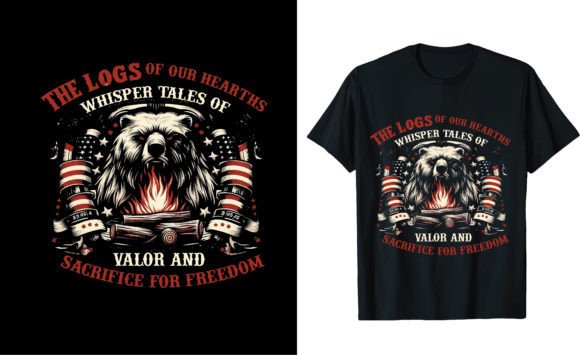
The first thing that strikes me about He Logs of Our Hearths T-shirt Design is its thematic warmth. The title itself evokes imagery of comfort, home, and perhaps a rustic or patriotic sentiment, especially given the context of it being marketed as a "4th of July" item. Visually, the layout appears balanced, which is crucial when translating a 2D graphic into a textured embroidery project. For those of us in the craft business, mood is everything. This design does not scream for attention with chaotic lines; instead, it offers a steady, inviting presence.
When I imagine this converted into an applique design or a standard fill, I see potential for a cozy aesthetic. It fits naturally into the current trend of heritage-style decor and apparel. However, because the source material is described broadly as suitable for t-shirts and mugs, we must assume the original resolution and line weight are optimized for printing, not necessarily stitching. This means the embroidery adapter—whether that is you or your digitizer—needs to pay close attention to how those shapes translate into satin stitch borders or fill stitch areas.
Real-World Application: From Screen to Stitch
Let’s talk about where this design actually shines. I recently worked on a custom order for a boutique client who wanted personalized gifts for a summer gathering. They were looking for something that felt handmade but professional. I considered using a concept similar to He Logs of Our Hearths T-shirt Design for a set of canvas tote bags. The result? A hit. The design’s structure held up well on the sturdy cotton canvas, providing a focal point that didn’t overwhelm the bag’s utility.
Beyond totes, this graphic has strong potential for sweatshirt embroidery. The thicker fabric of a crewneck or hoodie provides the necessary stability for denser stitching, allowing the details of the hearth or log motifs to stand out without sinking into the fleece. If you are an Etsy seller focusing on holiday items, this could be adapted for kitchen towels or aprons. Imagine a set of linen tea towels with this motif stitched in warm, earthy thread colors like burnt orange, deep red, and charcoal. It transforms a simple household item into a cherished personalized gift.
For those creating custom apparel, consider the placement carefully. On a t-shirt, this design would work best on the left chest for a subtle branding effect or centered on the back for a bold statement. However, remember that t-shirt jersey is stretchy and thin. Without proper stabilization, even a well-digitized file can pucker. This is where your choice of stabilizer becomes critical. A cut-away stabilizer is often safer for garments that will be washed frequently, ensuring the finished product maintains its shape over time.
Navigating Technical Challenges
While the aesthetic appeal is high, we must address the technical realities. The description notes this is a graphic for various purposes, which implies it may not come as a pre-digitized embroidery file with optimized stitch paths. If you are purchasing this as a graphic to convert yourself, or if it comes with limited embroidery formats, you need to check the stitch density. High-density fills on small elements can lead to thread breaks, especially if you are using thinner rayon or polyester threads.
Another area of caution is scale. If you plan to use this on smaller items like baby embroidery projects or caps, you must resize the design carefully. Shrinking a complex graphic too much can cause the stitches to merge, losing definition. Tiny lettering or intricate corners in the "logs" or "hearth" details might become illegible. I always recommend running a test stitch-out on scrap fabric that matches your final material. Check how the running stitch underlays perform and whether the satin columns remain smooth.
Dark fabrics present another challenge. If you are stitching this on a navy or black garment, you need to ensure your thread colors have enough contrast. A dark brown thread on a black shirt will vanish. In such cases, consider adding a light-colored border or using a metallic thread to highlight the edges, giving the design pop and visibility. This attention to detail is what separates a amateur-looking small shop product from a professional boutique item.
Commercial Viability and Brand Consistency
For creative entrepreneurs and commercial embroidery specialists, the value of a design lies in its versatility and customer appeal. He Logs of Our Hearths T-shirt Design offers a narrative element. It tells a story of warmth and gathering, which resonates with buyers looking for meaningful items. When you use this in your printable mockup previews or social media posts, it helps build a cohesive brand identity centered around comfort and tradition.
However, before you list this as a digital embroidery file or sell finished goods, you must verify the licensing. The product description mentions it is for t-shirts and mugs, but it is vague on commercial rights for embroidered goods. Always confirm whether the license allows for physical resale of stitched items. Nothing damages customer trust faster than legal ambiguity. Once cleared, this design can be a reliable addition to your portfolio, suitable for fall collections, winter holidays, or year-round rustic themes.
Practical Designer Notes
To get the best results from He Logs of Our Hearths T-shirt Design, keep these practical tips in mind:
- Test on Scrap Fabric: Never skip this step. Test on the exact fabric type you plan to use for the final product to check for puckering or pull.
- Check Thread Contrast: Ensure your thread colors stand out against the fabric background, especially for detailed areas.
- Review Stitch Density: If the design feels too stiff after stitching, reduce the fill density in your digitizing software.
- Confirm Hoop Size: Make sure the design fits comfortably within your hoop, leaving enough margin for clamping.
- Inspect Small Details: Zoom in on the design to ensure tiny elements are wide enough to be stitched cleanly.
- Use Proper Stabilizer: Match the stabilizer to the fabric weight; use cut-away for knits and tear-away for wovens.
- Verify Licensing: Confirm you have the right to sell finished products featuring this design.
In conclusion, He Logs of Our Hearths T-shirt Design is a promising candidate for embroidery adaptation. It brings a warm, inviting mood to any project, from tote bag design to holiday decor. With careful attention to technical details like stabilization, thread choice, and scaling, it can elevate your handmade product lineup. Whether you are a hobbyist making gifts for friends or a seasoned pro supplying local boutiques, this design offers a solid foundation for creating pieces that customers will love and keep.