He Gives Strength Philippians 4: Design Review
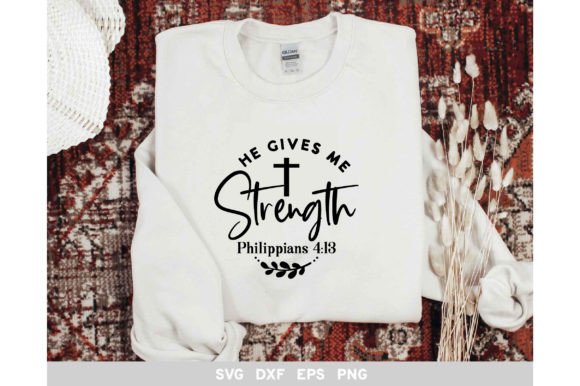
As a designer who has spent years digitizing patterns and reviewing machine embroidery design files for real-world application, I approach every new asset with a critical eye. It is not enough for a graphic to look good on a screen; it must translate flawlessly into thread, needle, and fabric. Today, I am evaluating He Gives Strength Philippians 4 17, a faith-based graphic that holds significant potential for the current market of personalized gifts and custom apparel.
The first impression of this piece is one of quiet resilience. The typography suggests stability, which aligns perfectly with the scriptural reference. For an embroidery project, this mood is crucial. We are not just stitching letters; we are conveying a sentiment. When I visualize this on a finished product, I see it working best where comfort and encouragement are the primary goals. It does not scream for attention with chaotic elements but rather invites a closer look, making it ideal for items meant to be held or worn close to the body.
Visual Personality and Layout Assessment
The layout of He Gives Strength Philippians 4 17 appears balanced, likely utilizing a mix of serif or sans-serif fonts to create hierarchy. In embroidery, font choice dictates stitch behavior. Thick, bold letters often require dense fill stitch patterns, while thinner scripts may rely on satin stitch columns. From a reviewer’s perspective, the spacing between characters in this design seems intentional, preventing the "blobbing" effect that occurs when stitches merge on textured fabrics.
This visual personality fits naturally into several categories. It is not overly ornate, which makes it versatile. It avoids the trap of being too trendy, ensuring that a handmade product featuring this design will not look dated in six months. For Etsy sellers and small shop product creators, longevity in design trends is a key factor in reducing inventory risk. This graphic feels timeless, suitable for both modern minimalist aesthetics and traditional home decor styles.
Real-World Application: The Custom Tote Scenario
To truly test the viability of any embroidery file, I imagine it in a specific production scenario. Let us consider a custom canvas tote bag design. Canvas is a heavy, woven fabric with a distinct texture. If the stitch density of He Gives Strength Philippians 4 17 is too low, the fabric weave will show through the letters, ruining the legibility. If it is too high, the bag may pucker or become stiff.
In this context, the design’s clarity is paramount. A customer buying a tote for church books or grocery runs wants the message to be readable from a distance. The strong lines implied by the title suggest that this design would hold up well on medium-to-heavy weight cottons. However, if you are planning to use this on a lightweight linen or a sheer fabric, you must exercise caution. The contrast between the thread and the background becomes the defining feature of the finished product.
Apparel and Wearable Comfort
Moving beyond bags, let us discuss custom apparel. Specifically, sweatshirt embroidery is a massive market for faith-based designs. Fleece and French terry fabrics are forgiving, but they have pile. A design like He Gives Strength Philippians 4 17 needs to sit on top of the pile, not sink into it. I recommend using a cut-away stabilizer for these projects to maintain shape after washing.
For baby embroidery projects, such as onesies or burp cloths, the consideration shifts to softness. Babies have sensitive skin. If this design includes large areas of dense stitching, it might feel scratchy against delicate skin. In such cases, considering an applique design version—if available—or using softer rayon threads can mitigate discomfort. Always test the back of the embroidery to ensure no harsh backing materials are exposed.
Technical Considerations for Stitching Success
While the provided description mentions vector formats like AI, EPS, and SVG, it is vital to distinguish between print-ready graphics and embroidery-ready files. Vector files are excellent for creating printable mockup assets or vinyl cutting, but they do not contain stitch data. If you are an embroiderer, you need a dedicated embroidery file format (such as PES, DST, or JEF) compatible with your machine. If this product bundle includes only print formats, you will need to digitize it yourself or commission a digitizer.
Assuming you have a properly digitized version, here are practical notes for execution:
- Stabilizer Selection: Use a tear-away stabilizer for stable woven fabrics like cotton twill. Use a cut-away stabilizer for stretchy knits like jersey t-shirts or sweatshirts to prevent distortion.
- Thread Color Contrast: Test the design in black and white mockups first. High contrast ensures readability. On dark fabrics, consider using a lighter thread color or adding an underlay stitch to pop the design.
- Hoop Size: Confirm the dimensions of the design fit your hoop. If the text is long, you may need a rectangular hoop. Never force a design into a hoop that is too small, as this causes registration errors.
- Stitch Density: Check the density settings. For caps and curved surfaces, lower density is preferred to prevent puckering. For flat items like pillow covers, standard density works well.
Navigating Fabric and Surface Challenges
Not every surface is created equal. When applying He Gives Strength Philippians 4 17 to challenging materials, adjustments are necessary. For embroidered patch creation, you can use a heavy-duty stabilizer and trim close to the edge, creating a durable badge that can be ironed or sewn onto jackets. This extends the life of the design across multiple garments.
Be cautious with thin or stretchy fabrics. Without proper stabilization, the tension of the running stitch outlines and fill areas can pull the fabric, causing the text to warp. This is particularly important for holiday embroidery gifts, where presentation is everything. A warped design looks amateurish and diminishes the perceived value of your craft business offerings.
Additionally, consider the washing instructions. Items that undergo frequent laundering, such as kitchen towels or active wear, require secure locking stitches at the start and end of each element. Ensure your digitizing software has optimized tie-offs to prevent unraveling over time.
Commercial Value and Brand Consistency
For commercial embroidery professionals, the consistency of the design is key to brand trust. He Gives Strength Philippians 4 17 offers a clean, professional look that enhances brand consistency for shops specializing in faith-based merchandise. It allows for easy integration into broader collections, such as pairing it with other scripture verses or complementary floral motifs.
The versatility of this graphic means it can serve as a standalone statement piece or part of a larger composition. For digital embroidery file sellers, offering this in multiple sizes (small for pockets, large for backs) increases its utility. Customers appreciate flexibility, and providing size options can lead to higher engagement and repeat purchases.
Before selling any finished product or digital asset, always verify the licensing terms. Ensure that the creator permits commercial use if you plan to sell items featuring this design. Transparency with your customers about the origin of your design assets builds trust and professionalism in the handmade community.
Final Verdict for Makers and Designers
In conclusion, He Gives Strength Philippians 4 17 is a strong contender for your next project. Its strength lies in its simplicity and emotional resonance. Whether you are creating a personalized gift for a friend going through a tough time or stocking your small shop with uplifting apparel, this design delivers. Remember to respect the technical requirements of embroidery: choose the right stabilizer, test on scrap fabric, and prioritize stitch quality over speed. By doing so, you transform a simple graphic into a meaningful, tactile object that brings comfort and style to its recipient.